Leave Your Message

How to Choose a Project EV Charger in 2026?

Choosing a Project EV Charger in 2026 requires more than comparing charging speeds and purchase prices. A suitable system must match vehicle demand, electrical capacity, site operations, and future growth. One busy depot may need several reliable DC chargers, while an apartment project may benefit from managed AC charging and clear billing controls.

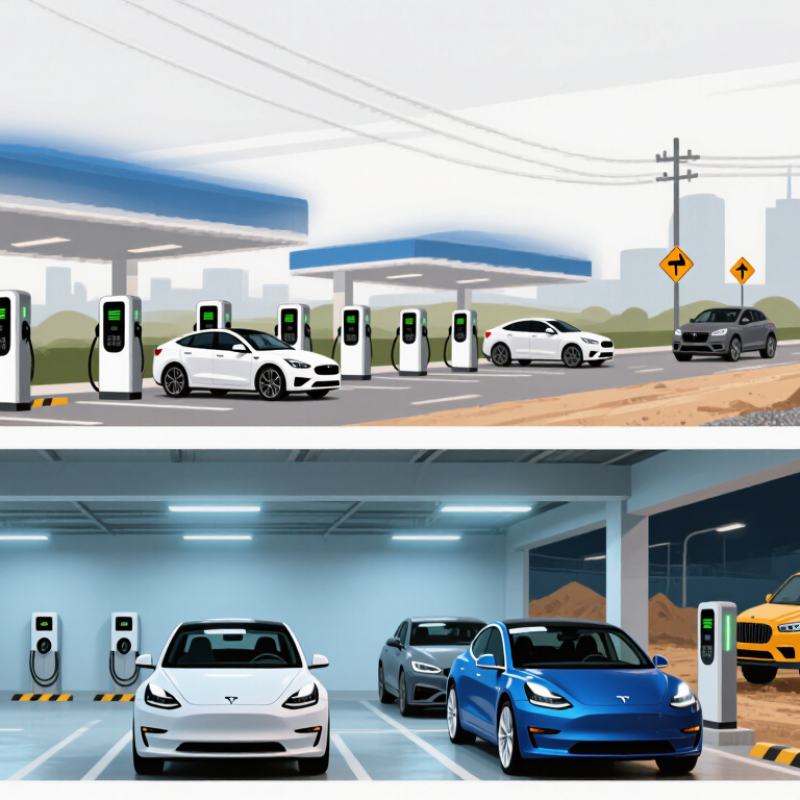
Ben Prochazka, Executive Director of the Electrification Coalition, has said, “There is no transition to electric vehicles without charging infrastructure.” His point remains practical. The charger is not an isolated product. It is part of a complete energy and transportation system. Buyers should examine connector compatibility, power sharing, software integration, payment options, warranty coverage, and local service response. Small details matter. A charger beside a muddy construction entrance may need stronger protection than one installed inside a clean parking garage.

Real projects often reveal inconvenient limits. A transformer may lack spare capacity. A network signal may disappear behind concrete walls. Drivers may also arrive with different charging habits. These issues can reduce the value of an otherwise impressive charger. Therefore, this guide considers both technical performance and daily usability. It also questions assumptions that seem reasonable on paper.

The best Project EV Charger is not always the fastest model. It is the one that delivers dependable energy, manageable operating costs, and room for changing demand. Careful planning can prevent expensive upgrades later. Even so, no checklist replaces an on-site assessment by qualified electrical professionals.
How to Choose a Project EV Charger in 2026?

Define the Project’s Charging Needs and Vehicle Usage

Begin with the vehicles, not the charger catalogue. Record vehicle type, battery size, daily mileage, arrival time, departure time, and parking duration. A two-week usage log often reveals more than a driver survey. Measure the real routine.

For example, twelve electric vans travelling 80 miles daily at 0.32 kWh per mile require about 307 kWh before charging losses. A ten-hour overnight window suggests roughly 31 kW of average charging power. Peak demand matters. If every van arrives at 6 p.m., unmanaged charging may create a short, expensive load spike. If vehicles leave at different times, load management can reduce the required connection capacity. Check winter temperatures, route changes, towing, and reserve-charge policies. These details can change the design substantially.

The International Energy Agency’s Global EV Outlook 2024 reported more than four million public charging points worldwide in 2023, with about 1.3 million added that year. This growth shows expanding access, but it does not replace project-specific planning. The same number of chargers can serve a commuter site or fail a high-mileage delivery fleet. Match charging power to dwell time, not vehicle count alone. Confirm connector requirements, electrical capacity, maintenance access, and future fleet growth with an electrical engineer. A neat spreadsheet can still lie. Recheck assumptions against interval meter data, route records, and actual departure behavior. Design for the busiest normal day, not an exceptional crisis.
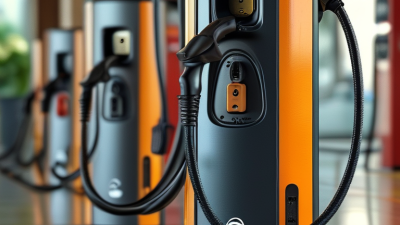
Compare Charger Types, Power Levels, and Charging Speeds

Choosing a project EV charger in 2026 starts with the vehicle schedule, not the charger’s maximum number. AC Level 1 usually delivers about 1–2 kW and suits overnight parking with low daily mileage. AC Level 2 commonly provides 7–22 kW, making it practical for homes, offices, hotels, and small fleets. A vehicle parked from 6 p.m. to 7 a.m. may gain useful range without expensive high-power equipment.

DC fast chargers typically range from 50 kW to over 300 kW. They can add substantial range during a short stop, but charging speed falls as the battery fills. Cold weather, battery temperature, and the vehicle’s own intake limit also matter. More power is not always better. A 150 kW unit may deliver little extra value if vehicles accept only 80 kW.

Project capacity deserves equal attention. Check the site’s electrical service, cable distance, transformer limits, parking flow, and future vehicle numbers. Dynamic load management can share available power across several cars instead of forcing a costly service upgrade. Look for clear energy measurements, fault reporting, weather protection, and accessible maintenance points. Reliability is often decided by simple details, such as a protected cable and readable status screen.

Be realistic about demand. Early estimates can be wrong. Review charging data after several months and adjust operating rules, power settings, or parking time when actual use differs from the plan.

How to Choose a Project EV Charger in 2026? - Compare Charger Types, Power Levels, and Charging Speeds

Charger Type Typical Power Level Electrical Supply Approximate Charging Speed Estimated Time for a 60 kWh Battery
(10% to 80%)
Common Project Applications Infrastructure Requirements Best Fit
AC Level 1 1.4–1.9 kW 120 V AC, single-phase About 5–8 km of driving range per hour Approximately 28–40 hours Residential overnight charging, low-mileage workplaces, and backup charging locations Standard outlet or dedicated 120 V circuit; limited additional electrical capacity required Low-cost projects where vehicles remain parked for a long time
AC Level 2 — Basic 3.7–7.4 kW 230 V AC, single-phase About 20–45 km of driving range per hour Approximately 6–12 hours Homes, apartments, hotels, offices, and employee parking areas Dedicated circuit, appropriate overcurrent protection, grounding, and suitable cable routing Overnight and workplace charging with moderate daily vehicle use
AC Level 2 — High Power 11–22 kW 230–400 V AC, single- or three-phase About 55–135 km of driving range per hour Approximately 2–5 hours Commercial parking, dealerships, fleet depots, retail centers, and destination charging Three-phase supply may be required at higher outputs; load management and demand assessment are recommended Sites where vehicles park for one to several hours
DC Fast Charging — Entry Level 24–60 kW Three-phase AC input with DC output About 120–300 km of driving range per hour Approximately 45–100 minutes Urban public charging, service areas, small fleets, and convenience locations Dedicated high-capacity connection, protection equipment, ventilation, civil works, and utility approval Short-stay charging where moderate installation cost is important
DC Fast Charging — Mid Power 60–180 kW Three-phase AC input with DC output About 300–900 km of driving range per hour Approximately 20–45 minutes Highway corridors, logistics hubs, commercial fleets, and busy public charging sites High-capacity electrical service, transformer capacity, advanced protection, thermal management, and possible site upgrades High-utilization locations requiring fast vehicle turnaround
DC High-Power Charging 180–350 kW High-capacity three-phase AC input with DC output About 900–1,750 km of driving range per hour Approximately 10–25 minutes Major highway charging hubs, long-distance travel centers, and high-throughput fleet operations Substantial grid capacity, transformer and switchgear upgrades, thermal management, utility coordination, and robust site design Projects prioritizing minimum dwell time and maximum charging throughput
Planning note: Charging time estimates are indicative and assume a 60 kWh battery charged from 10% to 80%. Actual results vary with vehicle charging limits, battery temperature, state of charge, cable limits, charger efficiency, and the charging curve. AC charging power is limited by the vehicle’s onboard charger; DC charging power is limited by both the vehicle and the charger.

For project selection, evaluate expected dwell time, daily energy demand, simultaneous charging, available grid capacity, installation cost, future expansion, accessibility requirements, and local electrical regulations before specifying the final charger rating.

Check Site Electrical Capacity, Layout, and Installation Requirements

How to Choose a Project EV Charger in 2026?

Capacity comes first.

Before selecting chargers, obtain twelve months of utility bills and the site’s single-line diagram. Confirm transformer capacity, main service rating, spare breaker space, and available fault current.

The International Energy Agency’s Global EV Outlook 2024 reported more than four million public charging points worldwide at the end of 2023. That growth makes electrical planning less forgiving.

Calculate simultaneous charging demand, not only the nameplate rating.

A site with ten 22 kW chargers may require 220 kW without load management. Measure existing peaks from HVAC, refrigeration, lifts, and lighting.

Ask the utility about transformer upgrades, protection settings, and connection delays. A licensed electrical engineer should verify these assumptions against local electrical codes and applicable charging standards.

Layout decisions affect cost and daily reliability.

Keep cable runs short, protect equipment from vehicle impact, and leave space for maintenance access. Check drainage, lighting, cellular coverage, winter conditions, and accessible parking routes.

The U.S. National Renewable Energy Laboratory has repeatedly identified installation and electrical infrastructure as major contributors to charging deployment costs. Small layout errors become expensive trenching later.

I have seen plans ignore a six-meter cable reach. It looked acceptable on paper. It was not.

Recheck turning paths with a real vehicle, because software drawings can miss awkward reversing movements. Also reserve capacity for future chargers, but avoid oversizing equipment without a documented load forecast.

Evaluate Smart Features, Safety Standards, and Software Compatibility

How to Choose a Project EV Charger in 2026?

Evaluate Smart Features, Safety Standards, and Software Compatibility

A project charger should manage real parking behavior, not just deliver power. Look for dynamic load balancing when several vehicles charge together. This prevents a building’s electrical capacity from being overwhelmed. Scheduling can shift charging away from expensive peak periods. Useful systems also support user authentication, remote diagnostics, and clear energy reports. Test the interface on a busy day. A clever feature is worthless if drivers cannot understand it quickly.

Safety requires more than a compliance label. Confirm protection against overcurrent, overheating, ground faults, and DC leakage. Check whether the equipment meets relevant regional standards, such as IEC or UL requirements. Its enclosure should suit the installation environment, including dust, rain, and temperature changes. Ask for test records and maintenance procedures. In practice, a warm cable or repeated fault message should be easy to investigate, not hidden inside an app.

Software compatibility can decide the project’s future. Confirm support for an open communication protocol, such as OCPP, and verify the exact version. The charger should connect with your preferred management platform, payment process, and building energy system. Ask about API access, cybersecurity updates, data ownership, and offline operation. Cloud services may fail. Firmware updates may also disrupt familiar workflows. I would test a small installation before ordering hundreds of units. That step takes time, but it often reveals problems that product demonstrations conceal.

Calculate Total Cost, Future Scalability, and Long-Term Value

Choosing a project EV charger in 2026 requires more than comparing purchase prices. Calculate the total cost of ownership over ten years. Include charger hardware, engineering, permits, trenching, transformer upgrades, software, maintenance, electricity, and demand charges. The International Energy Agency reported more than four million public charging points worldwide at the end of 2023, with annual growth above 40%. This expansion increases pressure on local grids and installation teams.

Plan the electrical room before selecting charging speed. A high-power charger may shorten driver waiting time, yet it can require expensive service upgrades. Leave spare conduit, switchgear capacity, and physical space for additional units. Use load management to reduce peak demand when several vehicles arrive together. NREL research on charging infrastructure planning also shows that utilization, location, and vehicle dwell time strongly affect infrastructure requirements. Numbers can mislead.

A charger serving delivery vehicles needs a different design from one at an office. Track real charging sessions, seasonal demand, fault rates, and technician response time. Evaluate open communication standards and replaceable components, not only rated power. The Global EV Outlook 2025 expects electric car sales to keep expanding rapidly through 2030, but forecasts remain imperfect. Your utilization estimate may be wrong. Build a flexible system, and review the assumptions every six months. Long-term value often comes from avoiding reconstruction, not buying the cheapest charger today.