What is Wallbox Home Charging and How Does It Work?
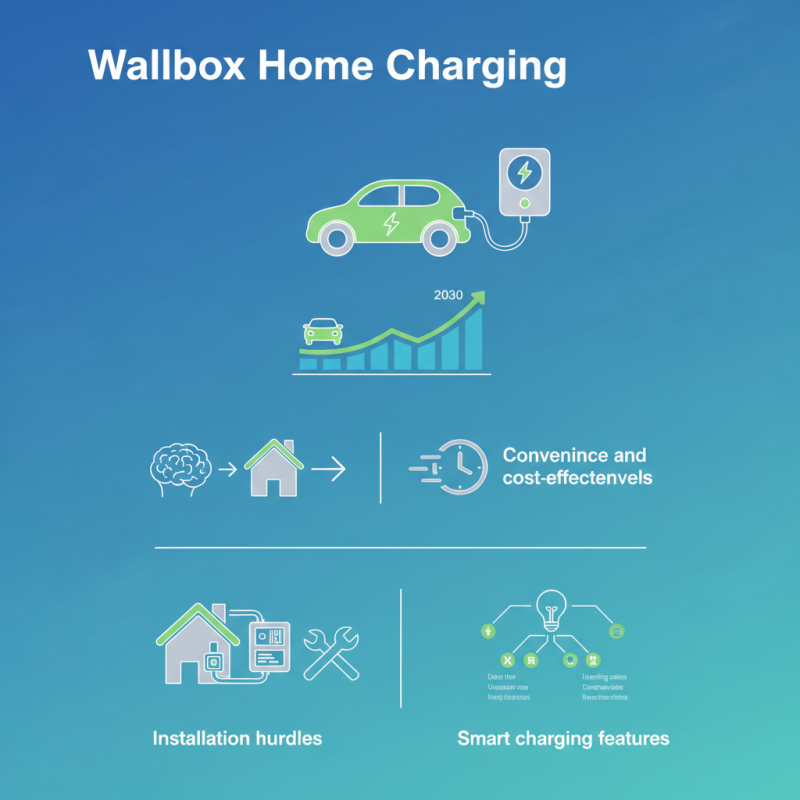
As the demand for electric vehicles (EVs) continues to rise, the importance of home charging solutions becomes clearer. Wallbox Home Charging has emerged as a pivotal player in this sphere. According to a recent report by BloombergNEF, the number of electric cars on the road is expected to reach 145 million by 2030. This shift emphasizes the necessity for efficient charging options within homes.
Expert insights from David Rojas, a leading figure in EV infrastructure, highlight the advantages of Wallbox Home Charging: "Home charging transforms how we experience EV ownership." This statement underscores the convenience and cost-effectiveness of using a Wallbox device at home. The technology allows for faster charging times compared to traditional outlets, often delivering a full charge in a matter of hours rather than days.
However, the transition to Wallbox Home Charging is not without challenges. Consumers may face installation hurdles or the need for electrical upgrades. Additionally, there is a learning curve associated with using smart charging features effectively. As the industry evolves, it remains critical for users to remain informed and adaptive to make the most of their charging experience.
What is Wallbox Home Charging and Its Importance for EV Owners
Home charging for electric vehicles (EVs) plays a crucial role in the lives of owners. It provides convenience and freedom. Imagine arriving home after a long day. You simply plug in your car, and it’s ready for use tomorrow. This eliminates the need for frequent trips to public charging stations. No more waiting in line or worrying about charging availability.
Having a home charging solution means less range anxiety. Many EV owners can charge their vehicles overnight. This not only saves time but also often reduces costs. Charging at home can be cheaper than using public stations, depending on electricity rates. However, some may find the initial setup daunting. Installation might require electrical upgrades, which can be expensive.
Safety is another area to reflect on. While most home chargers are designed with safety features, using them improperly can lead to issues. Regular maintenance and monitoring are essential. Home charging can be a practical solution, but it comes with responsibilities. Understanding the technology is key to making the most of your investment.
Wallbox Home Charging Importance for EV Owners
Key Features of Wallbox Home Charging Solutions in the EV Market
Wallbox home charging solutions are transforming the way we power electric vehicles at home. These charging stations offer a range of key features tailored to meet the needs of EV owners. One notable feature is the adjustable charging speed. Users can select different power levels to manage energy consumption effectively. This flexibility makes it easy to charge in a way that fits individual lifestyles.
Tips: Consider your daily driving habits when choosing a charging speed. If you typically drive short distances, slower charging may suffice.
Another essential feature is smart connectivity. Many home chargers can communicate with an app. This allows users to monitor their charging sessions remotely. Notifications about energy usage can help to save on electricity bills. However, some users might struggle with app connectivity. Regularly update your app to ensure optimal performance.
Tips: Check the compatibility of your charger with your home Wi-Fi network. A stable connection can prevent incomplete charge cycles.
Lastly, aesthetic design matters for many homeowners. Wallbox solutions come in various styles and colors. They blend seamlessly with different home designs. Still, it's easy to overlook how placement affects convenience. An inconveniently placed charger may become a hassle over time.
Tips: Plan the charger’s location carefully. Ensure easy access for your vehicle.
How Wallbox Charging Stations Operate: Technology and Efficiency Insights
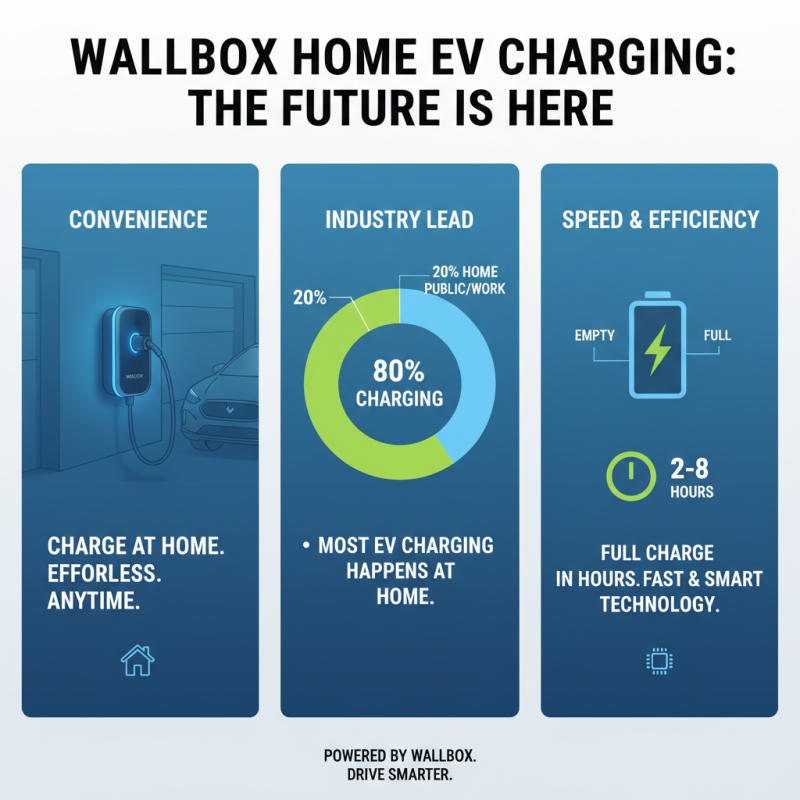
Wallbox home charging stations represent a significant advancement in electric vehicle (EV) infrastructure. These devices enable users to charge their vehicles conveniently at home. Industry reports indicate that home charging accounts for about 80% of EV charging. The technology behind these stations is designed for efficiency, allowing users to fill their battery from empty to full in just a few hours.
Charging speed varies depending on several factors. Level 2 charging can deliver up to 240 volts, making it suitable for all types of electric vehicles. A demonstration project showed that charging at night can save users up to 75% on electricity costs, as rates are typically lower during off-peak hours. However, not all home environments support this setup. Some homes may struggle with wiring capacity or space for installation.
Efficiency is key in these systems. Many stations utilize smart technology to optimize charging times. This ensures that charging occurs when energy prices are lowest. Nevertheless, there are hurdles. Users may face high installation costs or limited access to reliable power sources. Data from recent surveys suggest that around 45% of potential EV buyers express concerns about charging infrastructure at home. Addressing these issues is crucial for wider EV adoption.
Benefits of Installing Wallbox Charging at Home: Cost and Convenience Analysis
The convenience of having a Wallbox home charging station cannot be overstated. With electric vehicles (EVs) gaining popularity, charging solutions are essential. According to a recent industry report, nearly 80% of EV owners charge their vehicles at home. This highlights the demand for efficient and accessible home charging options.
Installing a Wallbox charger at home can lead to significant savings. On average, charging at home costs around 70% less than using public charging stations. Moreover, the ability to charge overnight can save time and hassle. It aligns with common routines, ensuring your vehicle is ready for the day ahead. Many users report improved convenience as the charger works quietly in the background.
Tip: Consider your charging habits. If you drive frequently, home charging could be the best choice. Evaluate your typical range and daily needs. Also, check local incentives for installation. Some regions offer rebates that can cut the upfront costs. Remember, not all installations are the same. Sometimes, homes may require electrical upgrades which could increase expenses.
What is Wallbox Home Charging and How Does It Work? - Benefits of Installing Wallbox Charging at Home
| Feature |
Description |
Cost |
Convenience Level |
| Installation Process |
Requires professional installation, typically takes 2-4 hours. |
$500 - $2,000 (including unit and installation) |
High |
| Charging Speed |
Can deliver 3.5 kW to 22 kW based on home electrical capacity. |
N/A |
Very High |
| Smart Features |
Includes app controls, scheduling, and energy monitoring. |
N/A |
High |
| Return on Investment |
Potential savings on fuel and maintenance over time. |
Varies based on usage |
Moderate |
| Environmental Impact |
Reduces carbon footprint when paired with renewable energy sources. |
N/A |
High |
Comparative Study: Wallbox vs Public Charging Stations for EV Owners
When considering home charging versus public stations, several factors come into play for electric vehicle owners.
Home charging provides convenience.
You can charge your vehicle overnight while you sleep. This means you start each day with a full battery.
However, if your home lacks a dedicated charging point, installation can be an obstacle.
It may need professional help, and that adds to the cost.
Public charging stations offer wider access. They are often located in convenient places, like shopping malls or restaurants.
Yet, they can be unreliable. Some stations may be out of service or already occupied.
Waiting times can be frustrating. Charging speeds also vary significantly, leading to unexpected delays.
EV owners may feel torn between these two options.
Another consideration is cost.
Home charging usually offers cheaper rates per kilowatt-hour.
On the other hand, frequent public charging can add up. Hidden fees at stations can surprise drivers.
It's essential to evaluate your driving patterns.
If you travel long distances frequently, having access to public chargers becomes more crucial.
Balancing convenience with cost is vital in this decision.